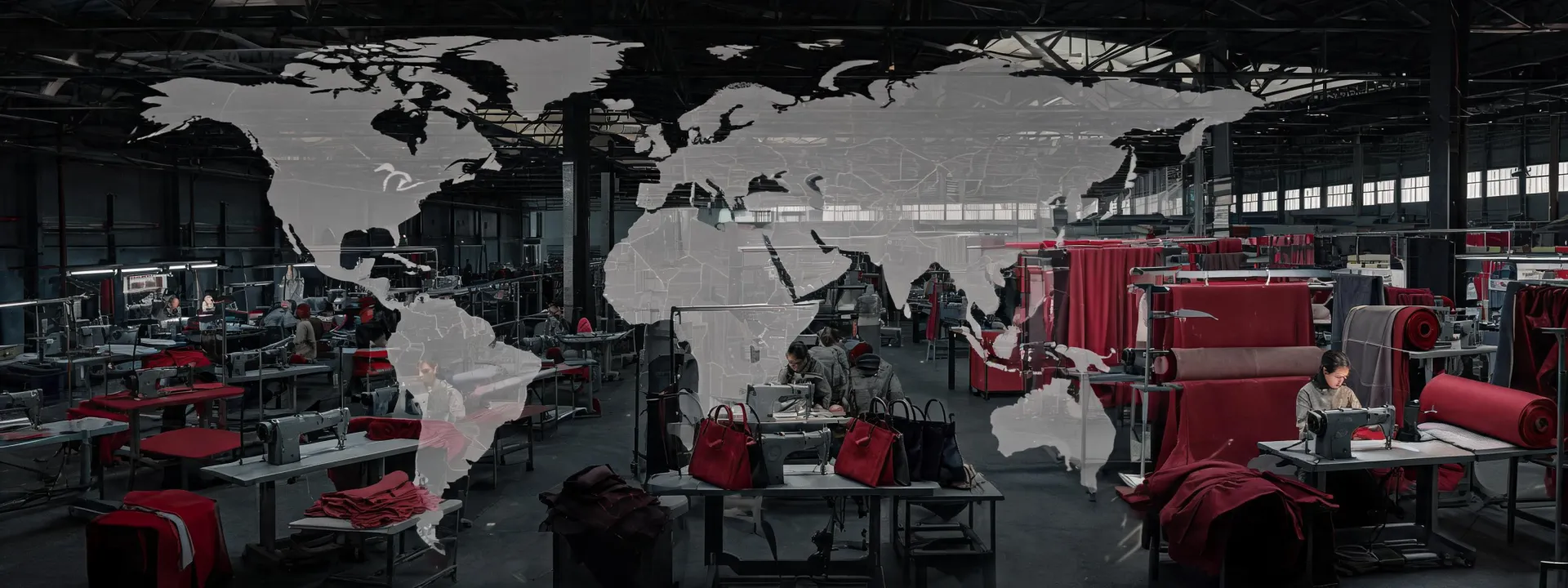
World sewing production map with apparel, bag and home textile workstations
Applications across materials and regions

Jack industry guidance for production teams with different seams

The machine family may travel globally; the right configuration still depends on local material, operator practice, attachments and service coverage.
Regional production lenses

Use the context that resembles your line

These tabs organize application questions by common production patterns. They are not claims that every factory in a region works the same way.

Repeated garment operations

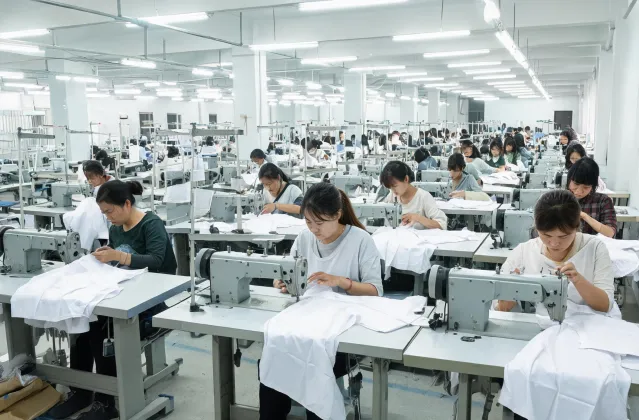
High repetition makes operator motion, automated trim choices and work aids visible. Trial the real seam sequence rather than an isolated straight line, and record any change in handling at pocket corners, plackets or thickness transitions.

Trade-off: more automation can reduce manual steps, but it also raises training and configuration requirements. Compare total operation flow, not feature count.

Apparel sewing line with repeated workstation operations

Fast-changing production cells

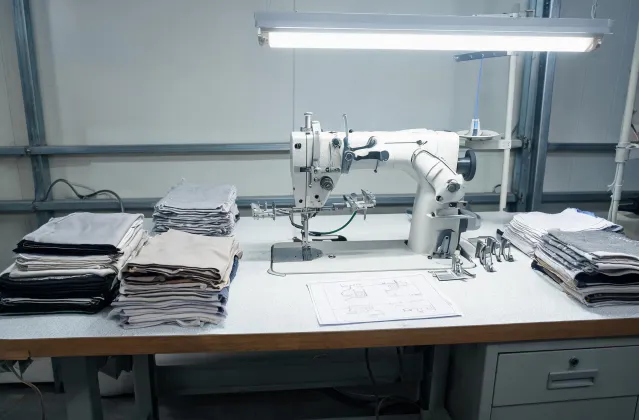
Shorter runs and frequent style changes put setup visibility, guide changes and supervisor knowledge ahead of catalogue throughput. The trial should include at least one planned changeover and the paperwork needed to restore the approved settings.

Trade-off: a versatile cell can absorb variety, while a dedicated setup may reduce adjustment during a stable run. The order mix determines which cost matters.

Flexible garment cell preparing a style changeover

Bags, upholstery and home textiles

Layer stack, material surface and product size can dominate the decision. Bring binding, foam, reinforcement and the longest panel to the demonstration. Confirm feed behavior at transitions and whether the table, stand and guides fit the actual workpiece.

Trade-off: stronger feeding support may help layered work but can mark delicate surfaces or add setup complexity. Inspect both seam security and cosmetic finish.

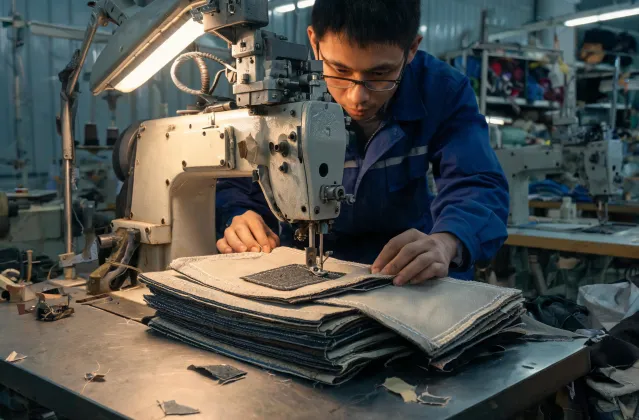
Bag sewing workstation with layered material and binding
Planning emphasis

Four checks that travel between industries

The bars show an illustrative discovery weighting for a first conversation, not measured machine performance. Adjust the emphasis after the material and operation are known.

Limitations remain explicit: catalogue speed is not a production rate; one sample cannot represent every fabric lot; attachments can change handling; and local service conditions vary.

Match the machine to the work

Send a seam map, not just a machine name

List the material layers, seam class, finish standard, changeover pattern and the region where support is required. This gives the dealer a basis for a relevant demonstration.